Restore gloss,
clarity, and depth.
Swirl marks, haze, light scratches, oxidation, and buffer trails can make clean paint still look dull. Paint correction refines the clear coat to improve reflection, depth, and overall finish before protection goes on.
117+ Five-Star Reviews · Full Detail Included · Ceramic Protection Available
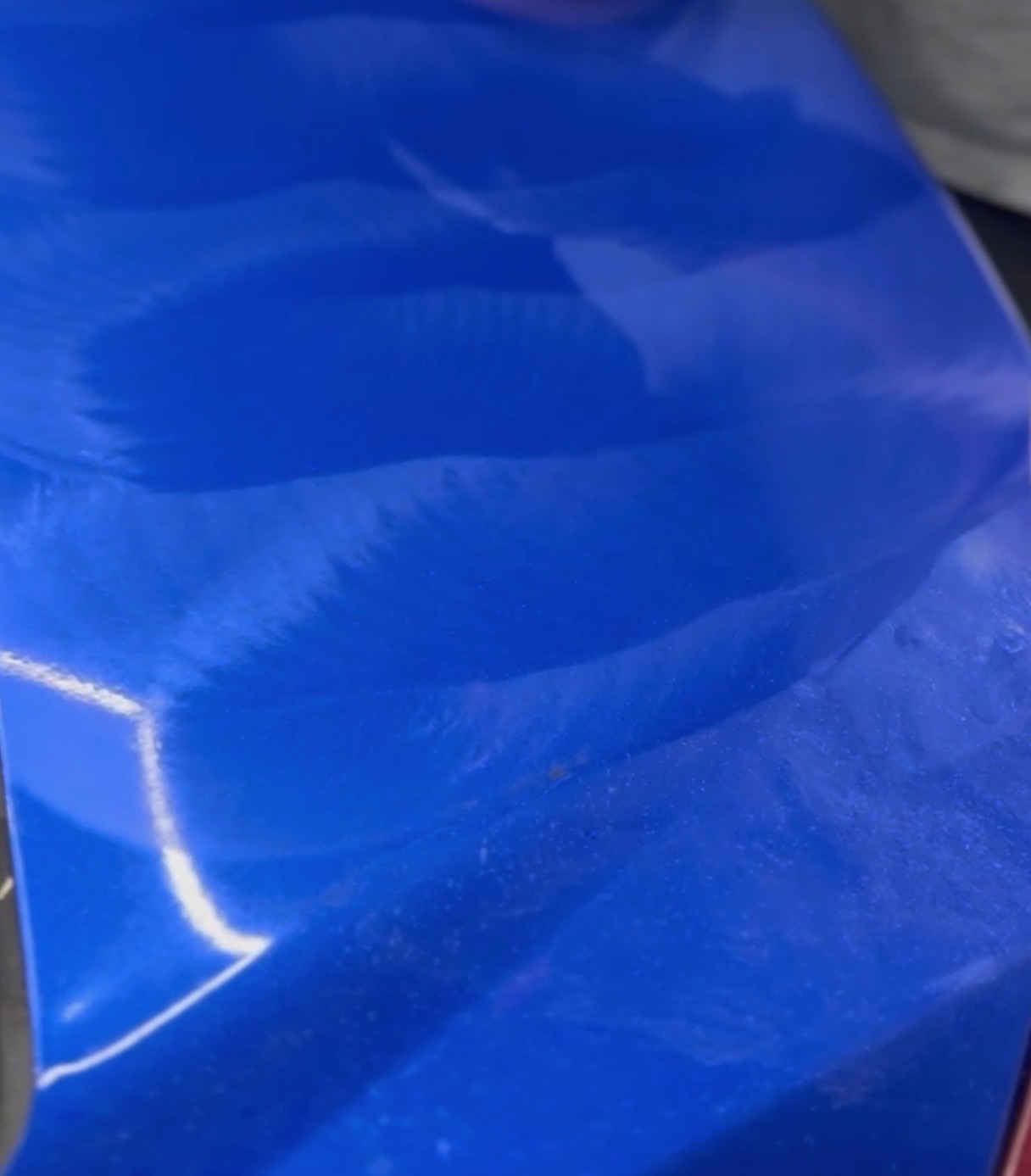
When clean paint still
does not look clean.
Some paint problems do not come off with a normal wash or wax. They sit in the clear coat and affect the way light reflects off the surface.
Circular wash marks that show up under sunlight or shop lighting.
Surface-level clear coat marks that can often be reduced through polishing.
Mineral deposits that can bond to paint or glass and dull the finish.
Cloudy, faded-looking paint that has lost gloss and depth.
Holograms or machine marks left behind by poor polishing.
Paint that looks flat even when the vehicle is clean.
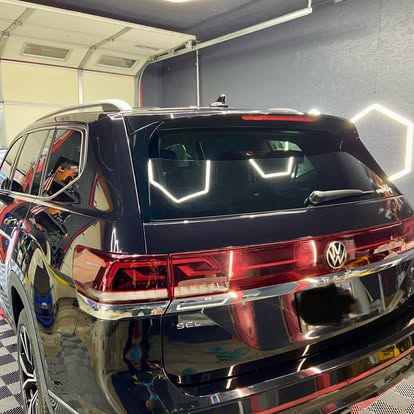
Correction happens in the clear coat.
Most visible swirls, haze, and light scratches sit in the clear coat — the transparent layer above the color. Paint correction uses machine polishing to carefully refine that surface so light reflects more evenly.
The goal is not to hide defects with wax. The goal is to improve the paint surface itself.
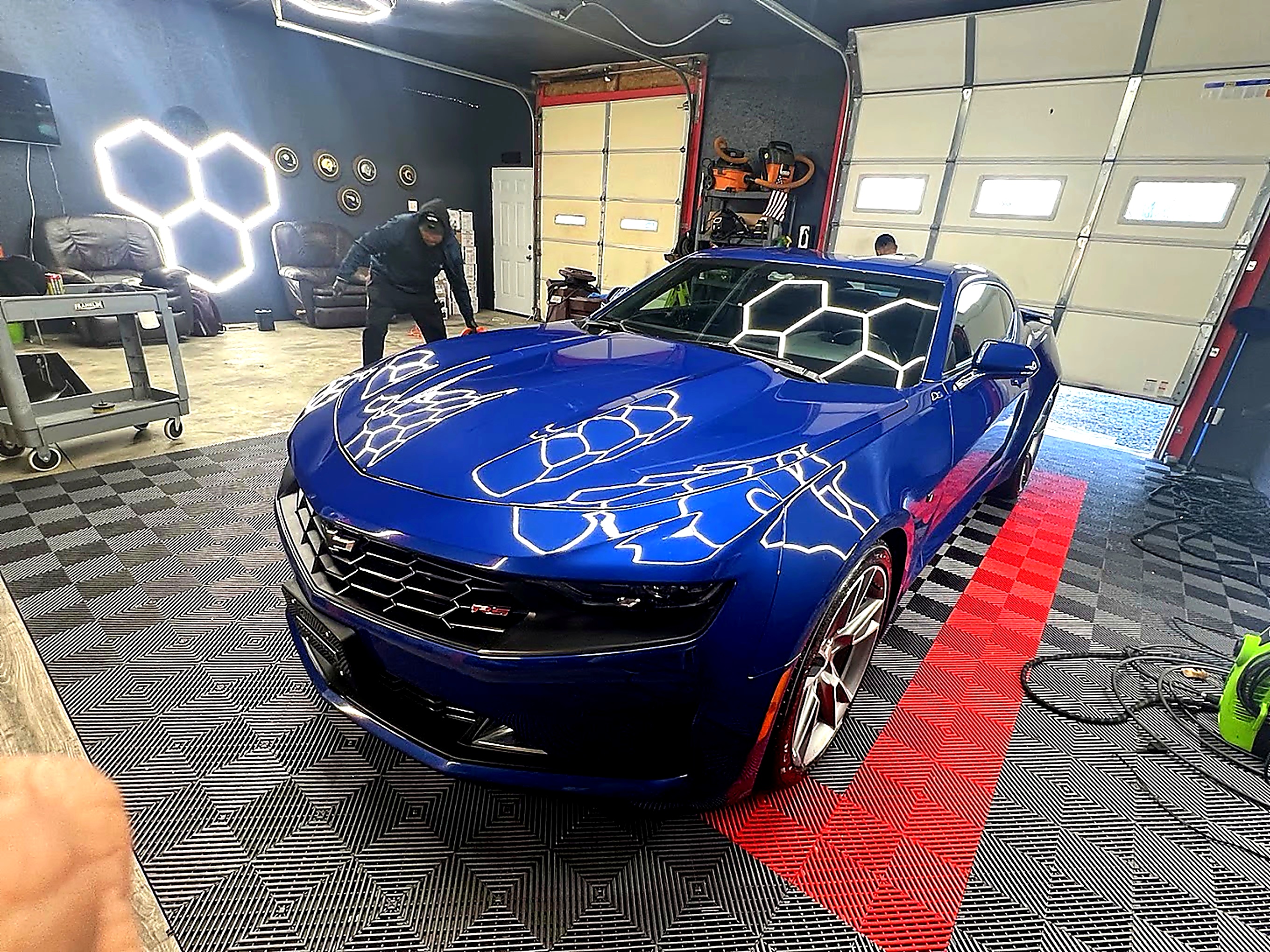
The defects show up before the correction begins.
Paint correction starts with inspection. Under proper lighting, swirl marks, haze, water spots, and buffer trails become easier to see, which helps determine how much correction the paint actually needs.
Some vehicles only need a single-stage polish. Others need a deeper two-step correction for better clarity and defect reduction.
Request Paint Correction Quote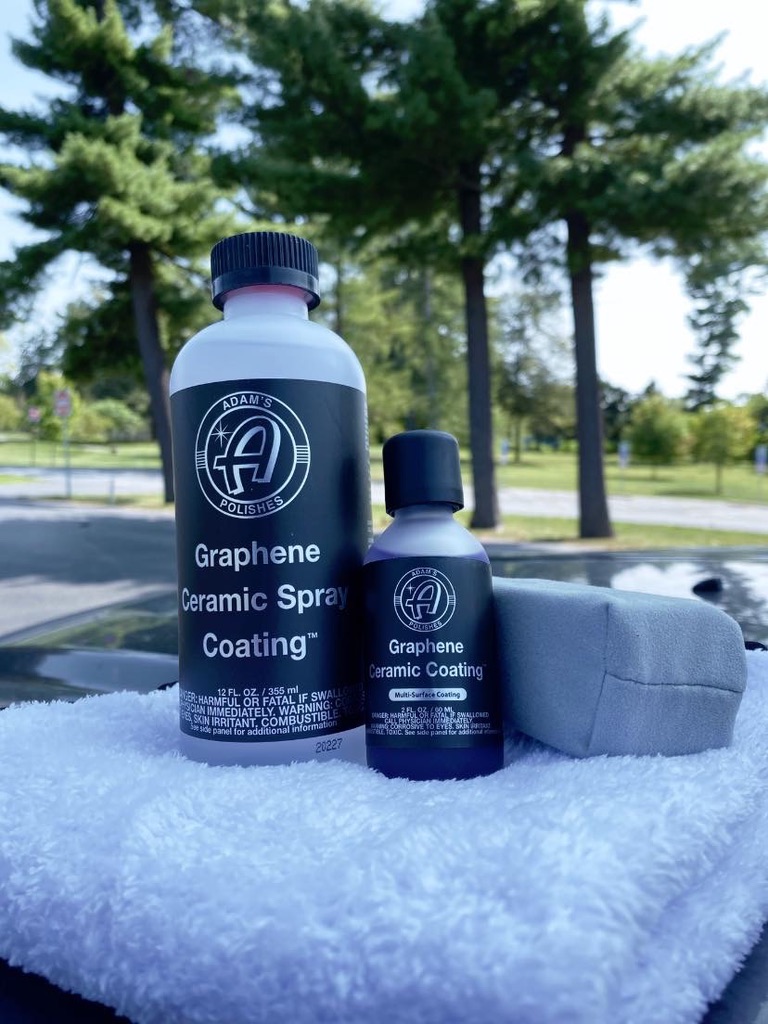
More than
polishing the paint.
Paint correction is done as part of a full vehicle reset. Before correction begins, the vehicle is cleaned and prepped. After correction, ceramic protection is applied to help protect the improved finish.
REQUEST PAINT CORRECTION QUOTE- Full interior detail
- Exterior hand wash and bug removal
- Clay bar and paint decontamination
- Machine paint correction
- Gloss enhancement and defect reduction
- Ceramic protection after correction
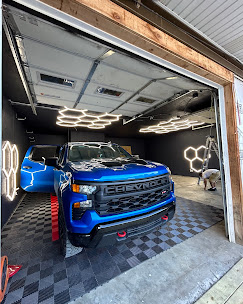
- Shop service for proper lighting and controlled conditions
The right level depends
on the paint.
Some vehicles need a light gloss enhancement. Others need deeper correction to reduce heavier swirls, haze, oxidation, or buffer trails. We recommend the level based on the paint condition and the result you want.
Single-Stage Polish
Light haze, light swirls, and improving gloss.
A single polishing step designed to clean up the finish, improve clarity, and bring back more depth.
Commonly paired with 1-Year Ceramic.
Two-Step Correction
Heavier swirl marks, dull paint, oxidation, buffer trails, and stronger clarity improvement.
A deeper correction process using compound and polish to improve defects more aggressively before protection.
Commonly paired with 5-Year Ceramic.
Correct the finish.
Then protect it.
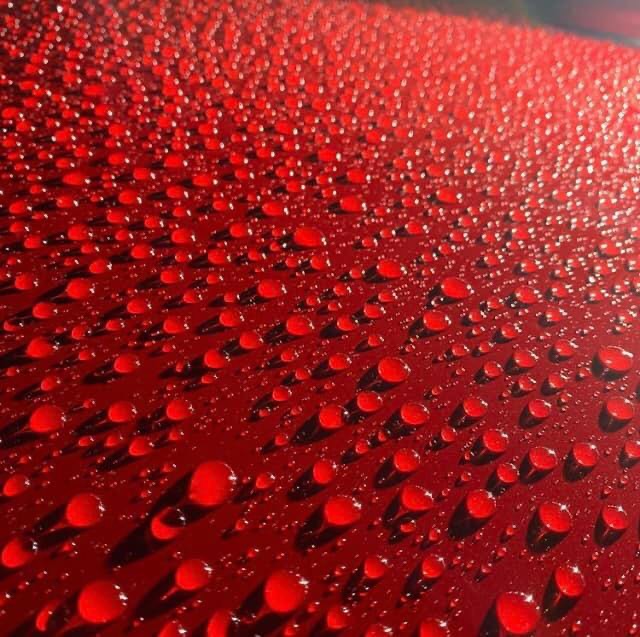
Paint correction improves gloss, clarity, swirl marks, haze, and light defects in the clear coat. Ceramic coating is applied after correction to help protect the improved finish and make the vehicle easier to maintain.
That is why YV paint correction packages are built as full ceramic details — the vehicle is cleaned, corrected, and protected together.
Interior and exterior are cleaned before correction begins.
The paint is polished to improve clarity, gloss, and visible defects.
Ceramic is applied after correction to help maintain the finish.
Not every scratch
can be polished out.
If a scratch goes through the clear coat or catches your fingernail, correction may reduce how noticeable it is, but it may not fully remove it. Deep chips, peeling clear coat, severe paint failure, and body damage usually need repair or repainting.
The goal is to safely improve the finish without chasing defects that should not be removed.
- —Deep scratches may only be reduced
- —Rock chips are not corrected by polishing
- —Failing clear coat cannot be restored with correction
- —Some defects require repaint or body repair
NOT SURE HOW MUCH
CORRECTION
YOUR PAINT NEEDS?
Send photos or request an inspection. We'll recommend the right correction level based on your paint condition, goals, and whether ceramic protection makes sense for your vehicle.
Photos help us recommend the right level faster.